
The Wild Side of Tenerife: A Journey Through Volcanic Landscapes
Tenerife is far more than just a sun-drenched holiday destination. Beyond the vibrant resorts and golden-sand beaches of the south lies a geographical masterpiece, where ancient laurel forests meet towering cliffs and Mars-like volcanic craters. This island is a «miniature continent,» offering a diversity that few places on Earth can match. Whether you are a seasoned hiker, a photography enthusiast, or simply a nature lover, exploring Tenerife’s natural landscape is an essential part of any authentic Canarian adventure.
- 🏖️ Volcanic Sands: The Dramatic Beauty of the North Coast
- 🥾 Hiking Trails: From Prehistoric Forests to Giant Cliffs
- 🌋 Mount Teide: Standing on Top of the Atlantic
- ⛰️ Masca: The Hidden Village in the Teno Massif
- 🍇 Rural Traditions: Hidden Valleys and Volcanic Wines
- 🌿 The Future: Sustainable Tourism in a Fragile Paradise
- ❓ FAQs about Tenerife’s Landscapes
- 🧭 More to Explore in Tenerife
🏖️ Volcanic Sands: The Dramatic Beauty of the North Coast
When you book through our links, there is absolutely no extra cost to you. We earn a small commission from our travel partners, which helps us maintain and improve our guides.
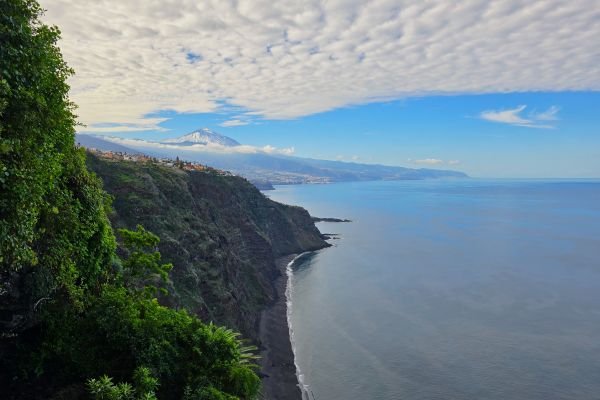
Unlike the typical white-sand coastlines found in the Mediterranean, Tenerife’s shores are a dramatic fusion of colours. The island’s volcanic soul is most visible at its famous black sand beaches, which offer a striking contrast against the deep turquoise of the Atlantic Ocean.
The Best Northern Escapes
Playa Jardin: This is not just a beach; it is a coastal park located in Puerto de la Cruz. Designed by the famous artist Cesar Manrique, it features tropical gardens and stone-walled paths that lead directly to the dark, volcanic shore. It represents the perfect harmony between human art and raw nature.
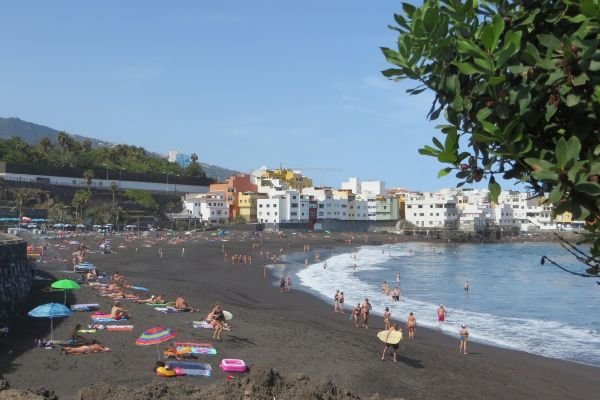
Playa El Bollullo: For those seeking a wilder, more secluded experience, El Bollullo is a hidden gem. Framed by steep, rugged cliffs and surrounded by banana plantations near La Orotava, it offers some of the most authentic and powerful scenery in the North. The sound of the Atlantic rollers here is a reminder of the ocean’s true power.
🥾 Hiking Trails: From Prehistoric Forests to Giant Cliffs
Tenerife is a playground for outdoor adventurers, offering microclimates that can change from misty, humid forests to sun-scorched volcanic peaks in just a few miles.
The Enchanted Laurel Forests of Anaga
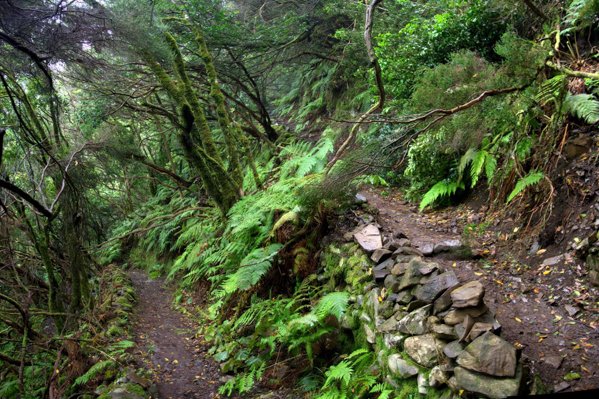
Deep in the Anaga Rural Park (a UNESCO Biosphere Reserve), you will find the «Enchanted Forest» of La Ensillada. These prehistoric laurel forests date back millions of years and are often shrouded in a mysterious mist. Walking through Anaga feels like stepping back into the Tertiary period; the moss-covered branches and humid air provide a cool, magical escape that feels a world away from the sunny coast.
The Majestic Cliffs of Los Gigantes
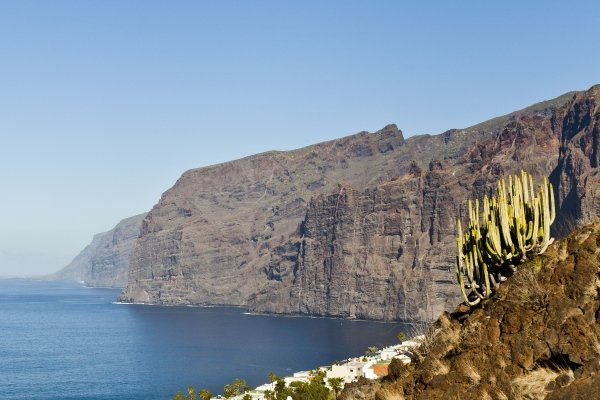
On the western coast, the landscape takes a vertical turn. Rising up to 600 metres straight from the sea, the Acantilados de Los Gigantes (Cliffs of the Giants) are a sight to behold. Known to the Guanches (the island’s original inhabitants) as the «Wall of Hell,» these basaltic cliffs are best appreciated from the water. Taking a boat trip here often rewards you with sightings of pilot whales and dolphins playing in the shadow of these geological titans.
🌋 Mount Teide: Standing on Top of the Atlantic
No visit to the island is complete without experiencing the Teide National Park. This is the heart of Tenerife, dominated by the 3,715-metre volcano, the highest peak in Spain. The park itself is a lunar landscape of hardened lava flows, obsidian fields, and multi-coloured rock formations like the famous Roques de Garcia.
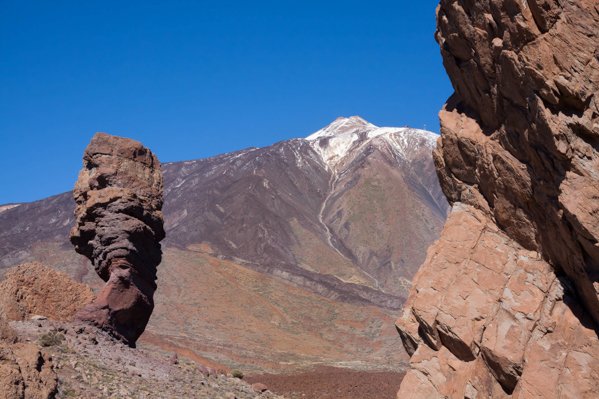
Pro Tips for Visiting the Summit
Permits: If you wish to walk the final stretch to the crater, you must apply for a free permit online weeks (or even months) in advance.
The Cable Car (Teleferico): For a more relaxed visit, the cable car whisk you up to 3,555 metres in just 8 minutes, offering breathtaking panoramic views of the entire Canary archipelago.
Stargazing: Due to its high altitude and low light pollution, the park is one of the best places on Earth for stargazing. Many British travellers now book night tours to see the Milky Way with professional telescopes.
⛰️ Masca: The Hidden Village in the Teno Massif
Tucked away in the rugged Teno Mountains is Masca, perhaps the most picturesque village in all of Spain. Often referred to as Tenerife’s «Lost Village,» its cluster of traditional houses clings to a narrow ridge, surrounded by deep ravines and towering emerald-green peaks. The journey to Masca is an adventure in itself, as the winding road offers some of the most breathtaking (and hair-raising) viewpoints on the island.
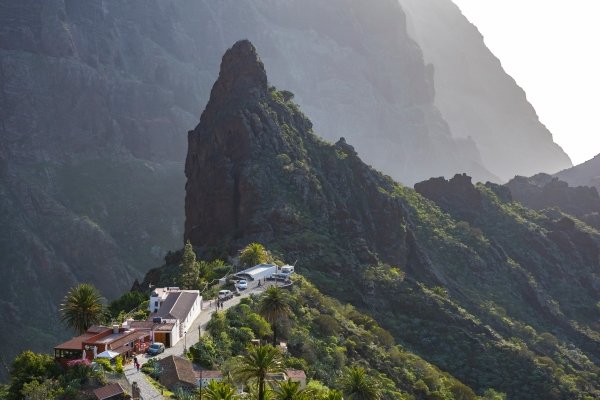
The Masca Gorge (Barranco de Masca)
For years, the hike down the Masca Gorge to the sea was a legendary rite of passage for British hikers. After a major restoration to improve safety and sustainability, the trail is now open with a controlled booking system.
The Experience: The hike takes you through a deep canyon of sculpted rock formations, ending at a secluded bay at the base of the Los Gigantes cliffs.
Pro Tip: Due to its immense popularity, you must book your entry permit well in advance on the official website. It is the perfect example of Tenerife’s commitment to preserving its most fragile natural wonders.
🍇 Rural Traditions: Hidden Valleys and Volcanic Wines
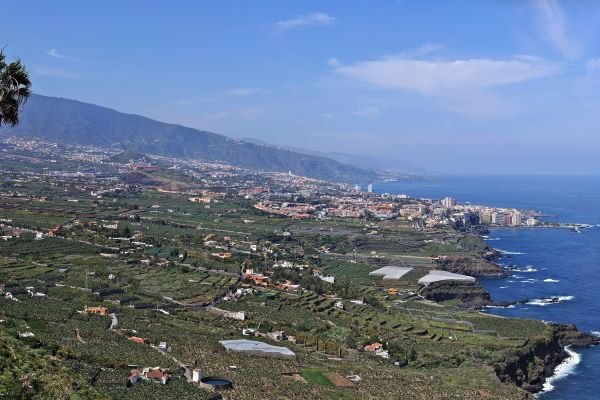
Away from the high peaks, the fertile valleys of La Orotava and Güimar showcase the island’s gentler, rural side. These regions are the lungs of Tenerife, where emerald-green banana plantations and unique «cordón trenzado» (braided) vineyards thrive in the mineral-rich volcanic soil.
Discovering the life in the Tenerife countryside provides an authentic perspective of the island’s geographical diversity. Visiting a local Guachinche (traditional family-run eatery) in these valleys allows you to taste the local volcanic wine and traditional papas arrugadas, connecting you with the land in the most delicious way possible.
🌿 The Future: Sustainable Tourism in a Fragile Paradise
The geographical diversity of Tenerife is a delicate gift. In recent years, local efforts in sustainable tourism have intensified. From eco-friendly hiking tours to the protection of marine life around Los Gigantes, there is a growing movement to ensure this natural paradise remains intact. By choosing responsible tour operators and respecting the «leave no trace» principle in our parks, visitors can enjoy Tenerife’s beauty while contributing to its preservation for future generations.
❓ FAQs about Tenerife’s Landscapes
For the best experience in areas like Anaga or Teide, spring (March to May) and autumn (September to November) are ideal. The temperatures are mild, and the landscapes are at their most vibrant. If you hike in winter, be prepared for snow on Mount Teide and misty conditions in the northern forests.
While there is a reliable public bus service (known locally as guaguas), hiring a car is highly recommended for exploring the more remote areas like Anaga or the hidden corners of the Teno Massif. It gives you the flexibility to reach trailheads early and avoid the midday crowds.
Yes, but with caution. Beaches like Playa Jardin have dedicated lifeguard services and protected areas. However, volcanic beaches often have steeper entries into the water and stronger currents than the man-made beaches in the south. Always pay attention to the colour of the safety flags.
Absolutely. The Teide Cable Car takes you most of the way up the mountain, providing spectacular views without the physical strain. There are also many accessible viewpoints (miradores) along the main roads where you can enjoy the lunar landscape directly from your car.
🧭 More to Explore in Tenerife
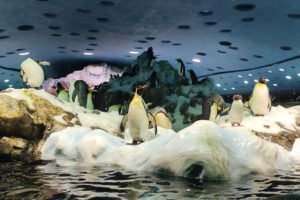
Loro Parque
Explore the world’s most famous animal kingdom. A must-visit for family adventure in Tenerife.
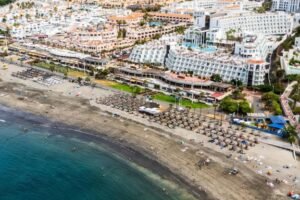
Costa Adeje
Experience the vibrant luxury of the sun-drenched South. A must-visit for resort lovers in Tenerife.
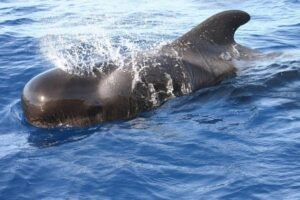
Whale Watching
Wander through historic streets and coastal charm. A must-visit for culture seekers in Tenerife.