
Tenerife Weather Secrets: Why the Forecast is Always Wrong (Mostly)
If you’ve checked your phone today and seen a depressing cloud with raindrops, you’re probably wondering: is the Tenerife weather forecast accurate? As anyone who lives here will tell you, looking at a generic icon for the entire island is about as useful as checking the weather for the whole of the UK to see if you need an umbrella in your specific London street.
Tenerife is a «miniature continent» with over 20 microclimates. This is the real reason why Tenerife weather forecast accuracy is often so low on global apps—and the few times you should actually take those alerts seriously.
🌤️ The Microclimate Mystery: 20 Climates in One Island
The main reason the forecast feels wrong is the Mount Teide effect. This massive 3,715m peak acts as a giant stone wall that splits the weather in two.
The North (The Green Side)
The trade winds push moist air against the northern mountains, creating the «Sea of Clouds.» Your app sees this moisture and predicts rain. In reality, it’s often just a refreshing morning mist that clears by lunch.
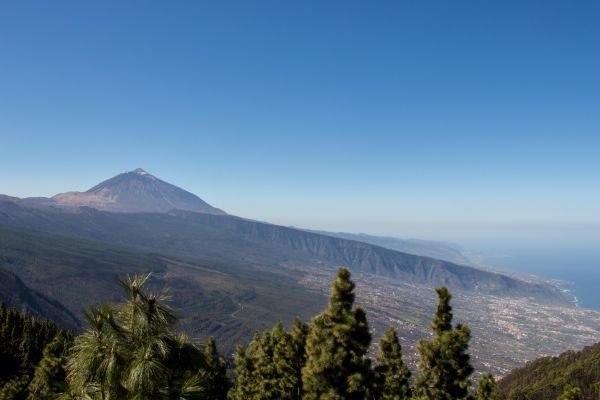
The South (The Sun Trap)
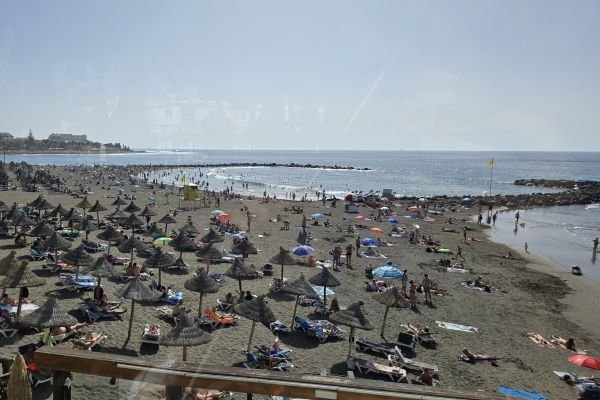
While the North catches the clouds, the South stays shielded. This is why you can see a rain icon on your phone while sitting in 25°C heat in Costa Adeje or Las Americas with a cocktail in hand.
📱 Why Your Phone App Struggles
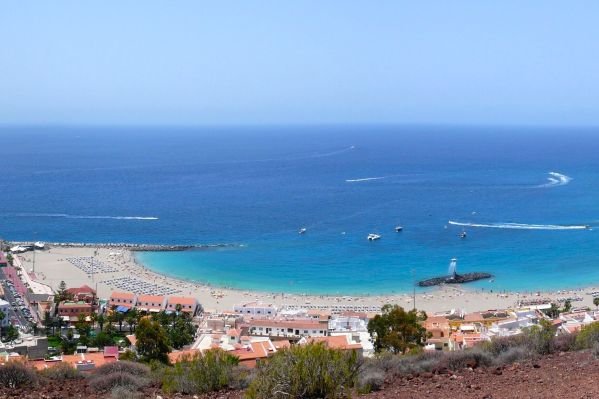
Most generic apps use global satellite models that don’t account for Tenerife’s dramatic mountains. They take a 50km average. If it’s raining in the high pine forests of Vilaflor, the app might show a rain icon for your hotel in Los Cristianos. To get a better «human» forecast, locals check AEMET (the Spanish Met Office) or, even better, live webcams. If you’re worried, don’t check an icon—look at a live feed of the beach.
⚠️ When the Forecast is Actually Right
We have to be honest: is the Tenerife weather forecast accurate sometimes? Yes. There are three moments when you should trust the screen.
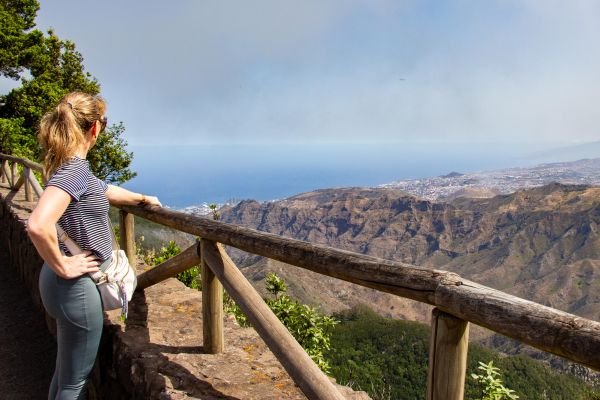
The Calima: When apps predict a temperature spike and a «haze» icon, they are usually spot on. This is hot, sandy air from the Sahara.
Atlantic Storms: A few times a year, big storm fronts hit from the West. If the forecast says «100% chance of rain» for the whole island, a proper tropical downpour is likely coming.
Teide Snow: If the app says it’s -2°C at the summit, believe it. It can be beach weather at sea level and a blizzard at the top simultaneously.
🚗 The «Chase the Sun» Strategy
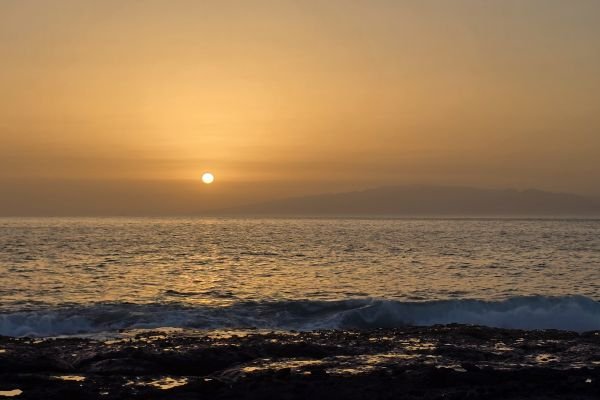
The best way to handle the island’s unpredictable icons is to be mobile. Because the sun is always shining somewhere, having your own transport is the ultimate weather insurance. It allows you to check the webcams in the morning, drive 40 minutes to find the blue skies, and position yourself perfectly for Tenerife’s spectacular sunsets—ensuring you’re on the right side of the mountains when the sky turns gold.
❓ Frequently Asked Questions Tenerife Weather
Generally, the South and Southwest (Costa Adeje, Playa de las Américas, and Los Cristianos) are the sunniest and driest areas. Thanks to the protection of Mount Teide, these zones enjoy a desert-like microclimate with over 3,000 hours of sunshine a year, even when the North is cloudy.
Most apps use a single data point for the entire island, usually based on the airport or the higher altitude areas. Because it often rains or clouds over in the mountains and the northern forests, the «rain» icon appears on your screen even if the beaches in the South are perfectly sunny.
Not really. The ocean temperature rarely drops below 19°C in winter and stays around 24°C in summer. While the breeze might feel cool when you step out of the water in January, the sea itself remains warm enough for swimming all year round.
The Calima is a weather phenomenon where hot, dusty air blows over from the Sahara Desert. It can cause temperatures to skyrocket and the sky to turn a hazy yellow. It usually only lasts 2–3 days. While it’s not ideal for hiking due to the dust, it’s often very warm beach weather!
🧭 More to Explore in Tenerife
Where To Stay
Our expert guide to the island’s top resorts. Find the perfect hotel for your 2026 Tenerife holiday.
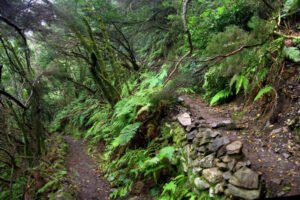
Anaga Rural Park
Explore the emerald soul of the ancient laurel forests. A prehistoric paradise for hikers in Tenerife island.

Siam Park
The world’s #1 water park. Experience adrenaline-pumping slides and a Thai-themed paradise.