
Mount Teide National Park: Tenerife’s Ultimate Guide to Volcano Tours & Permits
The Teide National Park is the undisputed crown jewel of the Canary Islands. Home to Mount Teide, Spain’s highest peak at an astounding 3,715 metres, this vast, dramatic volcanic landscape offers more than just spectacular views—it delivers a true adventure. Easily accessible via scenic routes from the north (such as La Orotava or La Laguna) and the south, this UNESCO World Heritage Site is essential viewing for any Tenerife visitor. Use this ultimate guide to plan your journey, understand the confusing permit system, and find the best tours to transform your visit into an unforgettable experience.
- 🎟️ Teide Access & Permits: Securing Your Summit Spot
- ✨ Top Things to See & Do: Exploring Teide’s Martian Landscape
- 📸 Best Teide Viewpoints (Miradores) for Photography
- ⚠️ Essential Preparation: Health, Safety & Park Rules
- 🗺️ Planning Your Trip: Getting to Teide National Park
- ❓ Mount Teide National Park: Essential FAQs
🎟️ Teide Access & Permits: Securing Your Summit Spot
When you book through our links, there is absolutely no extra cost to you. We earn a small commission from our travel partners, which helps us maintain and improve our guides.
Visiting the park itself is free, but accessing the very top of the volcano (the crater) is highly regulated and requires strict planning. Understanding the permit system is the key to an efficient and stress-free trip.
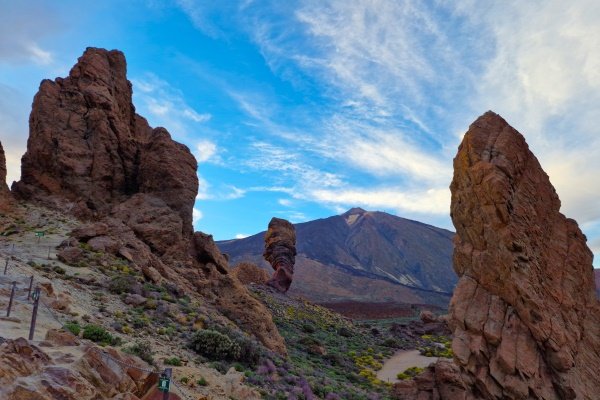
Teleferico (Cable Car) vs. Summit Permit
Planning to ascend the mountain can be confusing because there are two critical steps involved.
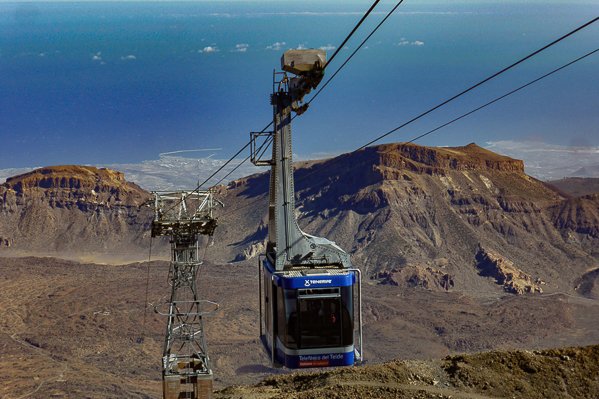
Cable Car Ticket: This grants you access from the base station (at 2,356 m) up to the upper station, La Rambleta (at 3,555 m). You must book this well in advance, and it is subject to weather conditions.
The Summit Permit: This free permit is mandatory for the final 200 m climb from La Rambleta to the crater itself. Permits are issued by the National Park office and, crucially, must be booked months in advance as capacity is extremely limited. Without this, you will be stopped at the final trail entrance.
For most holidaymakers, navigating the logistics of securing the highly sought-after summit permit and arranging complex mountain transport is a significant headache. Booking an organised excursion solves all these issues: tours often come with guaranteed permits, include hassle-free transfers directly from your resort (e.g., Costa Adeje, Los Cristianos, Playa de Las Americas, Puerto de la Cruz), and provide the valuable expert insight of local guides, delivering the best value, convenience, and peace of mind for your Teide experience.
✨ Top Things to See & Do: Exploring Teide’s Martian Landscape
The Teide National Park is a geological wonderland, offering far more than just the summit climb. From unique rock formations to world-class stargazing, these are the sights you cannot afford to miss.
Unique Geological Wonders
The Teide’s landscape is renowned for its dramatic rock formations, shaped by centuries of volcanic activity and erosion. You’ll truly feel like you’ve landed on Mars!
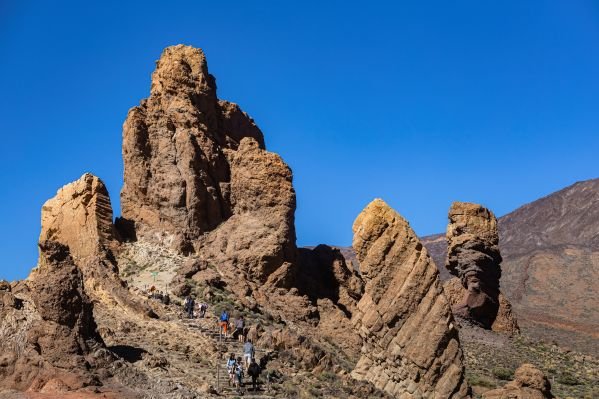
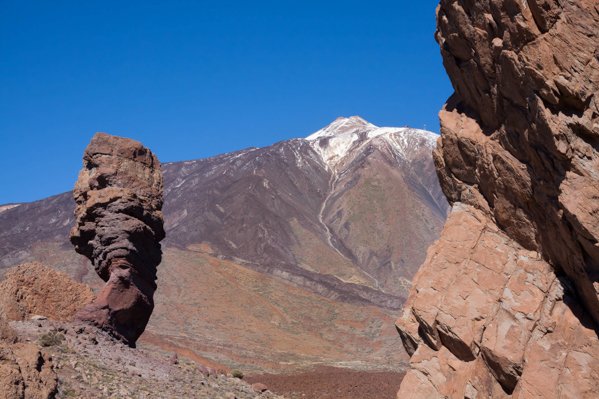
Los Roques de Garcia: Located directly opposite the Parador hotel, this collection of distinctive rock stacks is perhaps the most photographed spot in the park. Look out for the famous «Roque Cinchado», known colloquially as the ‘Finger of God’, which once famously appeared on the old Spanish thousand-peseta note.
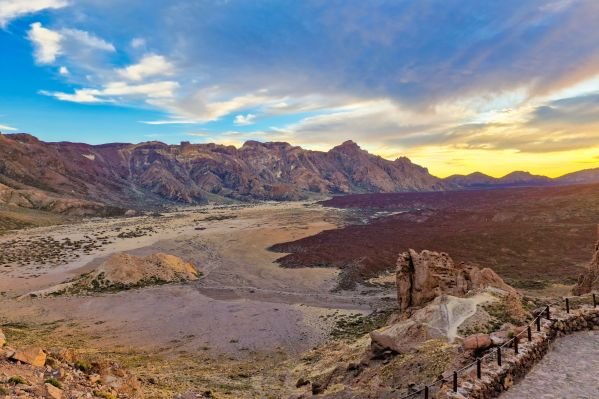
Llano de Ucanca (Ucanca Plains): This vast, flat expanse of ochre and yellow volcanic ash contrasts sharply with the towering volcano, offering truly epic, wide-open vistas. It is the perfect place to appreciate the sheer scale of the caldera.
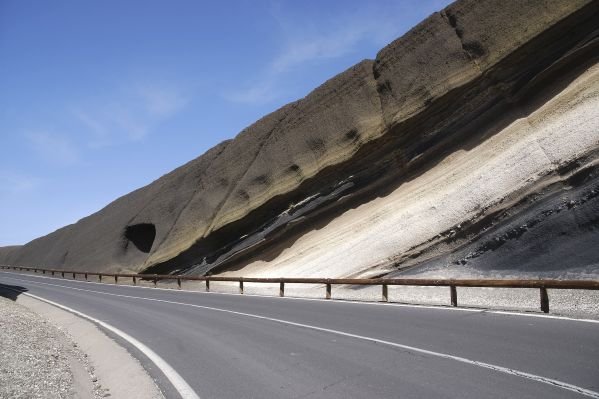
The Teide Cake (La Tarta del Teide): Found near the La Orotava route, this fascinating geological feature shows distinct layers of different volcanic materials—from red pyroclastic flows to black basalt—clearly demonstrating the volcano’s dramatic history in a single cross-section.
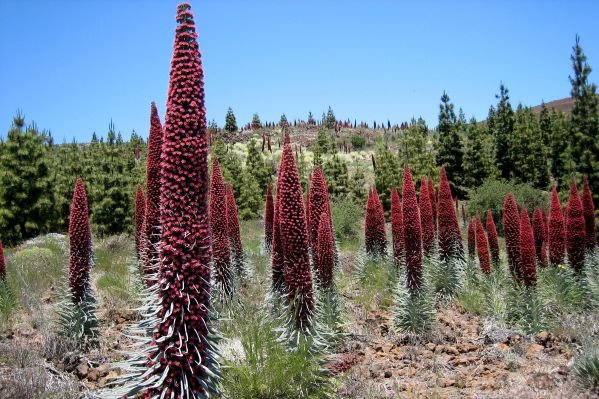
The Teide’s Hidden Life: Spotting the Red Bugloss (Tajinaste Rojo)
While the Teide’s landscape is dominated by rock and ash, you may encounter unique, adapted life. If you visit during late spring and early summer (typically May and June), you will be treated to the spectacular sight of the Red Bugloss (Tajinaste Rojo). This endemic jewel of the park sends up towering, vibrant red flower spikes, creating an unforgettable splash of colour against the stark black and ochre volcanic rock. It’s a photographer’s dream and a natural spectacle unique to the Canary Islands.
Hiking and Exploration
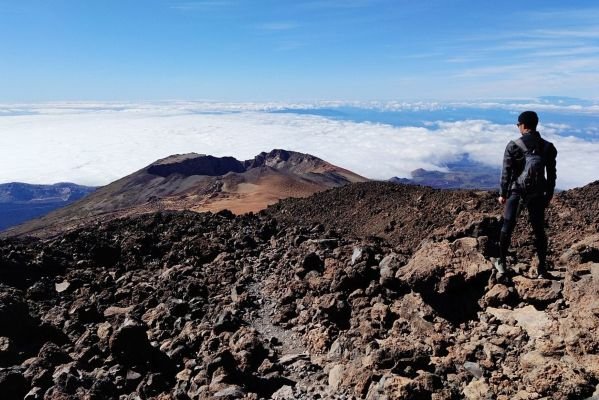
Pico Viejo Lookout: Even if you don’t secure the Summit Permit, the trail leading from the upper cable car station towards Pico Viejo offers spectacular views, including the massive, multi-coloured Pico Viejo Crater (800m wide).
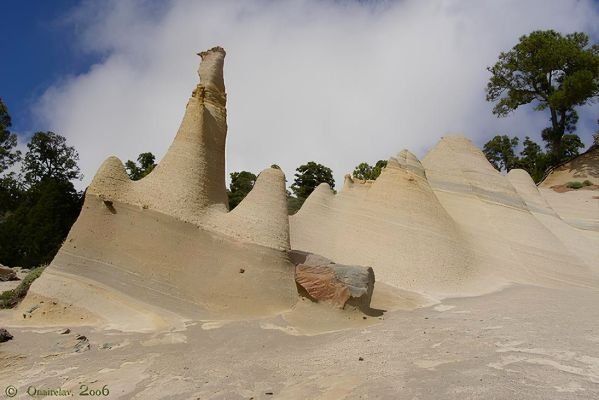
The Lunar Landscape (Paisaje Lunar): Though technically just outside the main park boundary, this detour is highly recommended. The white pumice rock formations sculpted by erosion resemble a surreal moonscape, perfect for those unique holiday photos.
Want to Explore Deeper? While self-guided hiking is possible, booking a guided trek offers expert local knowledge and ensures you explore the safest and most rewarding routes within the National Park.
Stargazing: A World Class Celestial Spectacle
Thanks to Tenerife’s clear skies, high altitude, and strict light pollution laws, the Teide area is certified as a Starlight Reserve. During night tours, the visibility of the Milky Way and constellations is unparalleled. This is arguably the most magical and romantic way to experience the park.
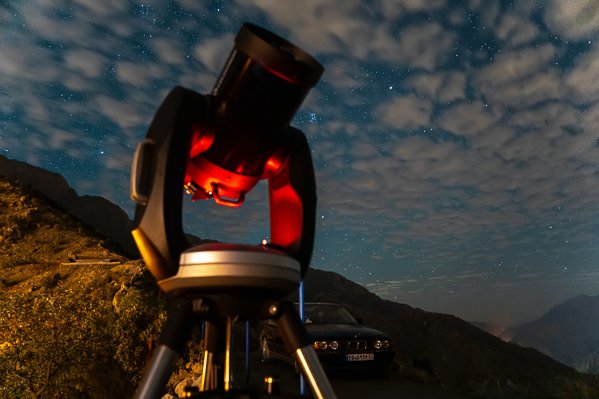
📸 Best Teide Viewpoints (Miradores) for Photography
Whether you’re driving or on a tour, make sure your itinerary includes these spectacular photo stops.
Mirador de la Ruleta: Located near Los Roques de Garcia, this popular viewpoint provides the best perspective of the rock formations and the Ucanca Plains below.
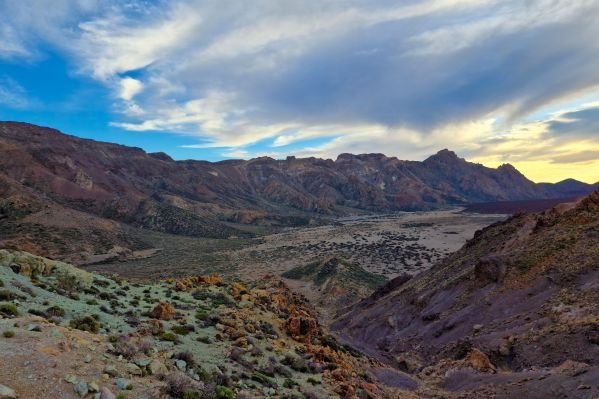
Mirador de Boca Tauce: Offers sweeping panoramic views across the park’s immense central caldera and is an excellent spot to capture the volcano’s dramatic scale.
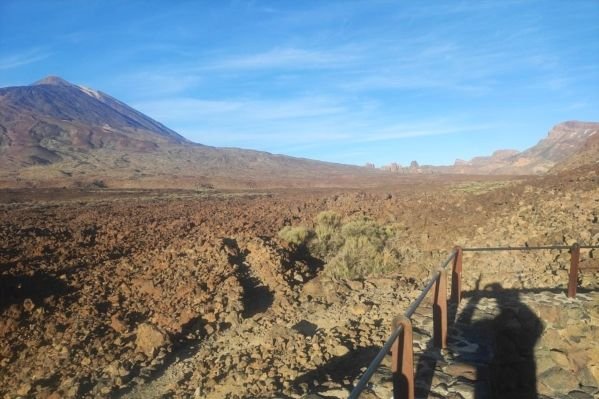
Mirador Llano de Ucanca: Located right on the plains, this offers unique foreground elements (like the yellow broom flowers in spring) against the mighty Teide backdrop.
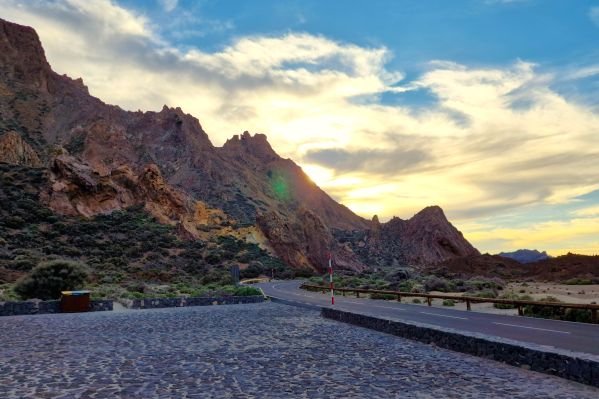
⚠️ Essential Preparation: Health, Safety & Park Rules
The Teide National Park is a high-altitude environment, and proper preparation is key to a safe and enjoyable experience. Do not skip this section.
Health & Safety: Altitude, Sun and Temperature
The combination of high altitude and intense sun exposure can be dangerous, making proper preparation non-negotiable.
Layered Clothing: Even if it’s hot at sea level, temperatures can drop dramatically at altitude, and you might encounter snow and freezing conditions during the winter months. Therefore, it is essential to wear appropriate warm clothing that you can easily layer, along with sturdy, closed-toe mountain shoes.
Sun Protection: Due to the altitude, UV radiation is significantly higher. Crucially, apply a high-factor sunscreen regularly, wear sunglasses, and bring a hat.
Hydration & Food: It is vital to stay hydrated throughout your visit. Ensure you carry sufficient water and snacks, as facilities within the National Park are very limited.
Medical Precautions (Consult Your Doctor)
Given the extreme altitude (3,715 metres), if you suffer from existing health conditions (such as respiratory or heart problems), it is highly recommended to consult a doctor before planning your ascent. Altitude sickness is a real risk, so take your time and listen to your body.
Park Rules and Environmental Respect
It is of vital importance to respect the regulations of the National Park during your visit. Remember that the Teide is a protected UNESCO site.
Stay on Marked Paths: Never leave the established trails. This is essential to protect the fragile local ecosystem and, most importantly, to avoid accidents.
Waste: Take all rubbish with you and dispose of it responsibly outside the park.
🗺️ Planning Your Trip: Getting to Teide National Park
When deciding how to reach the park, you essentially have two options. Driving offers maximum flexibility, allowing you to stop at any viewpoint, but be warned: parking is extremely limited and often full by 9:30 AM, plus you must navigate steep mountain roads. Alternatively, booking a Guided Coach Transfer removes all logistical stress, providing stress-free hotel pick-up and drop-off and eliminating parking worries, though this comes with a less flexible schedule for spontaneous stops.
Mount Teide is more than just a mountain; it’s an alien landscape offering everything from world-class stargazing to challenging hikes and unique geological wonders. To truly maximise your visit and bypass the confusing permit and parking hurdles, planning ahead is non-negotiable. Whether you opt for the freedom of a rental car or the convenience of an all-inclusive tour, securing your access and transport early ensures your focus remains entirely on enjoying this spectacular corner of the world.
Ready to Conquer Spain’s Highest Peak? Stop searching for permits and start booking your adventure today!
❓ Mount Teide National Park: Essential FAQs
Yes, if you want to walk the final 200m to the very peak (Pico del Teide). The permit is free but strictly limited to 200 people per day. These permits often sell out 2–3 months in advance. If they are gone, your only other option is to book a guided tour that includes the permit.
Absolutely. In just 8 minutes, it whisks you from 2,356m to the top station at 3,555m. The views of the «sea of clouds» and the neighboring islands (La Gomera, La Palma, and El Hierro) are world-class. It can close unexpectedly due to high winds, so always check the status on the morning of your trip.
This is the biggest mistake tourists make. Even if it’s 30°C on the beach, it can be near freezing at the summit. Wear layers. Bring a windbreaker or a warm jacket, long trousers, and sturdy walking shoes (no flip-flops if you plan to walk the trails!).
Yes, but you cannot just walk in. The Teide Observatory is one of the best in the world, and you must book a guided visit in advance. It’s a fascinating look at how scientists study the sun and the stars.
The roads are excellent and very scenic, but they are winding mountain roads. There are four main access points (from the North, South, East, and West). Make sure you have a full tank of petrol before you start your ascent, as there is only one petrol station in the entire National Park!
Tenerife is a «Starlight Destination.» While the park is open 24/7, the best experience is a Sunset & Stargazing tour. Seeing the shadows of the volcano stretch across the ocean at sunset is a memory you’ll never forget.