
Guachinches in Tenerife: Authentic Canarian Food Where Locals Really Eat
If you want to experience authentic Canarian cuisine, far from the polished resort menus, Guachinches are where Tenerife truly comes alive. These unique eateries offer a rare glimpse into local food culture: simple dishes, homemade wine, and a welcoming atmosphere that has defined the island for decades.
While they started as humble «garage» operations, today you’ll find everything from traditional family courtyards to modernized rustic restaurants—all maintaining that unmistakable local soul.
What Exactly Is a Guachinche?
A Guachinche (pronounced wa-chin-che) is a traditional establishment originally created by local farmers to sell their homemade wine alongside a few signature dishes.
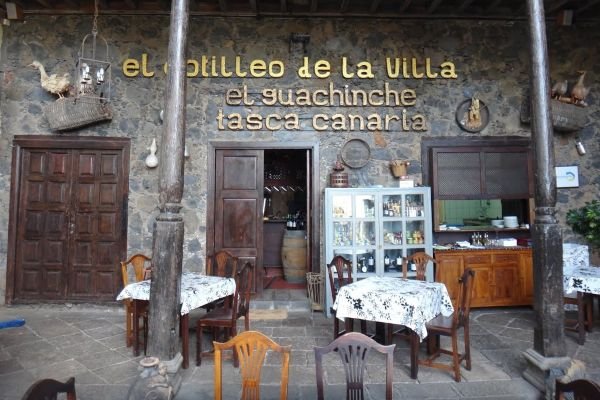
Modern vs. Traditional: What to Expect
The Evolution: While some are still located in converted family garages or patios, many have modernized. You can now find «Guachinches Modernos» that offer a more comfortable setting and better facilities, while still serving authentic, budget-friendly food.
Always on the Map: Unlike years ago, 95% of Guachinches are now listed on Google Maps, making it easy to find the best-rated spots nearby. While they are scattered across the island, the «heartland» of the Guachinche culture is in the North. The best areas to explore are La Orotava, Santa Ursula, Tacoronte, and La Victoria, where the most authentic gems are still found tucked away in the hills.
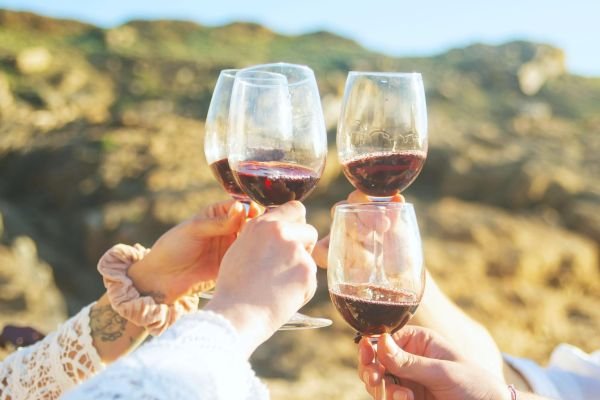
The Wine Connection: The heart of the experience is still the local wine. When the family’s wine harvest runs out, the Guachinche often closes for the season.
What’s on the Menu? Hearty Canarian Comfort Food
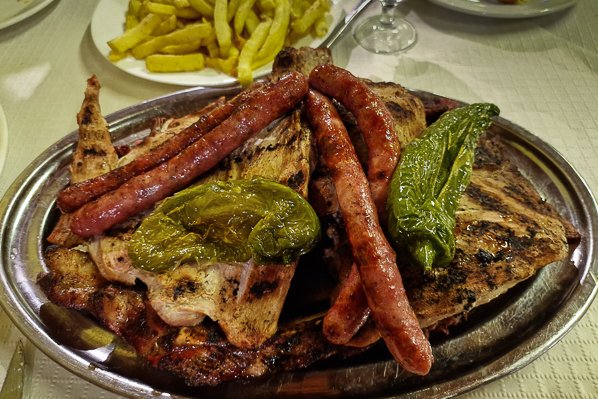
Guachinche food is rustic, hearty, and unpretentious. The focus is entirely on flavour.
Modern vs. Traditional: What to Expect
The Must-Try Dishes:
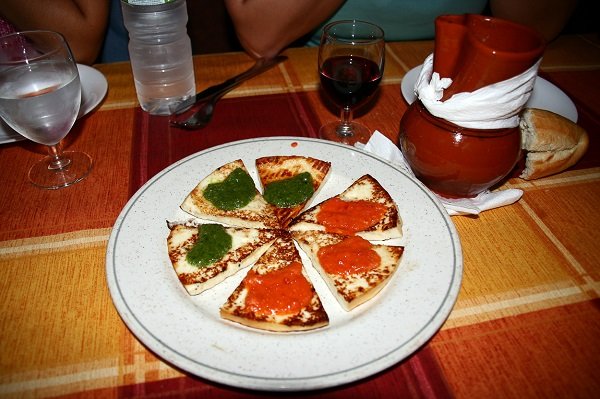
Queso Asado con Mojo (Grilled Cheese): Local goat’s cheese, lightly grilled until soft and golden, then drizzled with red and green mojo sauces. It’s the perfect starter to share.
Carne Fiesta (Marinated Pork): Small cubes of pork marinated in garlic and spices, then fried. It’s the ultimate «party meat» and a local crowd-pleaser.
Ropa Vieja Canaria: Literally «Old Clothes,» this is a delicious, rich stew made with shredded meat (beef and chicken), chickpeas, potatoes, and peppers. It’s incredibly flavourful and satisfying.
Escaldon de Gofio: A unique Canarian experience. Gofio (toasted grain flour) is mixed with hot meat or fish broth until it forms a thick, smooth paste. It’s often topped with red onion and ribs. (Expert Tip: It’s a love-it-or-hate-it dish due to its texture, but it’s as authentic as it gets!)
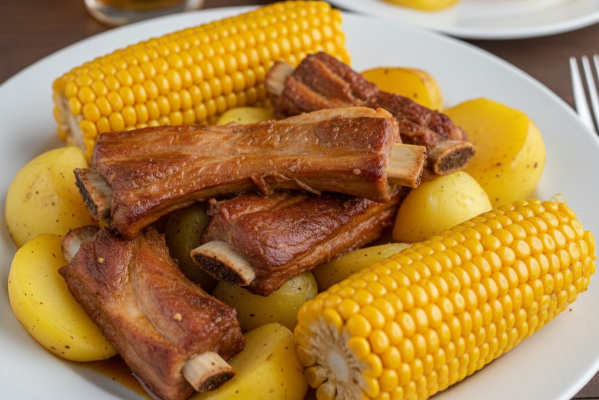
Costillas con Papas y Piña: Salted pork ribs served with boiled potatoes and corn on the cob. Simple, rustic, and very filling.
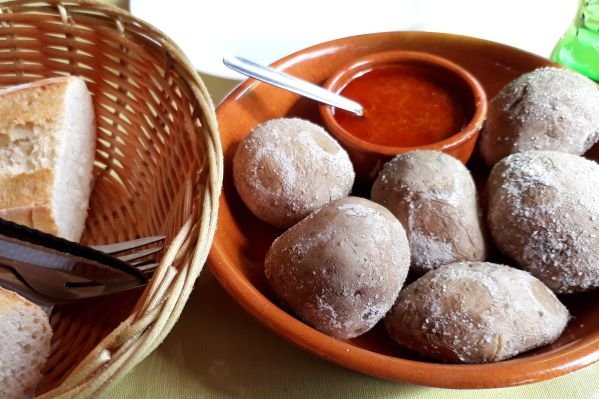
Papas Arrugadas: The legendary «wrinkly potatoes» with mojo. No Guachinche meal is complete without them.
What a Guachinche is NOT
To truly enjoy the Guachinche experience, you need to embrace its rustic charm. Don’t expect international staples like Paella or Pizza; here, the menu is strictly traditional, focusing on generous portions and honest, home-cooked flavours rather than fancy plating. The service is informal, often loud, and incredibly friendly, reflecting the vibrant local atmosphere. It is the polar opposite of a polished resort restaurant, and that is exactly why it’s so special.
Are Guachinches Good for Visitors?
Absolutely. If you want to understand Tenerife beyond the beaches, you must visit one. They are perfect for food-focused travellers who want to eat like a local without the «fine dining» price tag.
❓Guachinches: Frequently Asked Questions
Traditionally, they open their doors in late autumn (November) when the new wine is ready and close once the supply is finished (usually around April or May). However, many modern Guachinches now stay open year-round. Most are closed on Mondays and Tuesdays, so always check Google Maps before driving out.
While many modern establishments now accept cards, the more traditional and rural Guachinches are often cash only. It is highly recommended to carry enough Euros in cash to avoid any issues, especially in the northern hills.
Most traditional Guachinches do not take reservations; it’s a first-come, first-served system. On weekends, they are incredibly popular with local families, so we recommend arriving early (around 1:00 PM for lunch) to secure a table. That said, many of the newer, modernized Guachinches do now accept bookings mostly via phone, which is a great option if you want to guarantee a spot on a busy Sunday.
Yes! They are family-run businesses and children are always welcome. The atmosphere is loud and informal, so you don’t have to worry about the kids being a bit noisy. While a dedicated «Kids’ Menu» isn’t always available in the more traditional spots, many modernized Guachinches do now offer them. Even without a specific menu, dishes like Carne Fiesta (fried pork) or the ever-present homemade fries are usually a huge hit with younger travellers.
Not at all. Tipping is not mandatory and, unlike in more touristy areas or other countries, it is not a local custom to leave a tip in a Guachinche. Locals generally don’t do it, and you are not expected to either. Whether you leave a small amount or not is entirely down to your own discretion if you feel the service was exceptional, but you should never feel any obligation to do so.